GET 15% OFF ON YOUR FIRST ORDER WITH CODE "KF"
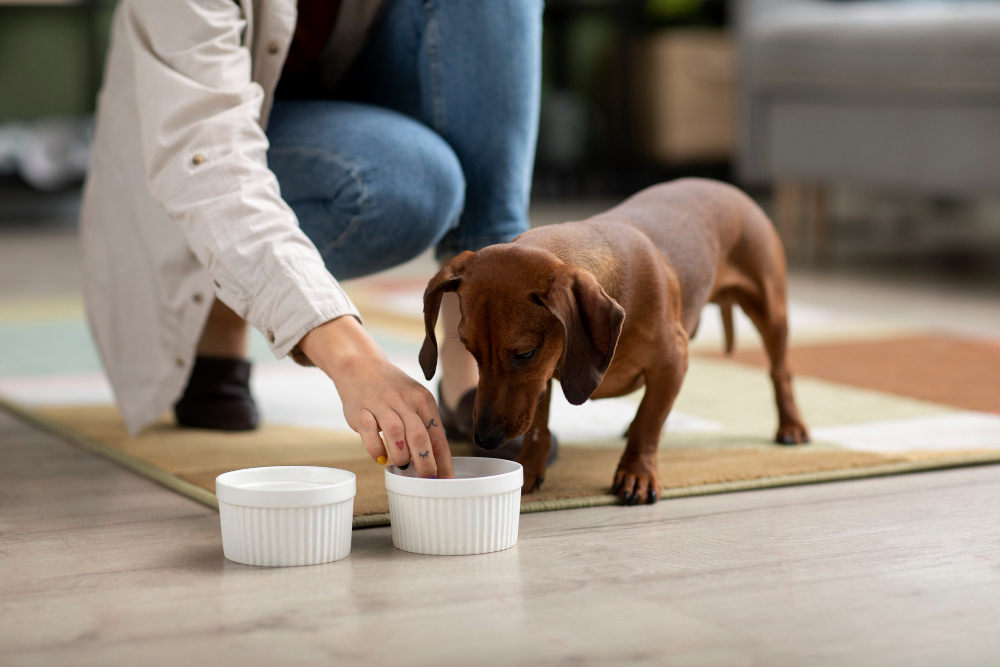
Choosing the right food can seem simple, but behind every label there are major differences in quality, transparency, and processing. Many products are marketed as “natural” or “premium,” but not all meet the same standards for nutrition or control. The points below are based on recommendations from international organizations and scientific publications and are meant to support informed decisions.
1. Synthetic preservatives (BHA, BHT, ethoxyquin)
These synthetic antioxidants are used to prevent fats from going rancid and to extend shelf life. The FDA allows their use in animal food within established limits; however, some studies suggest adverse effects at high or prolonged exposure. Choosing products preserved with natural antioxidants like tocopherols (vitamin E) or plant extracts is a recommended practice.
Source: PLOS ONE, Pet Food Ingredients and Contaminants (2020).
2. Artificial colorants (Red 40, Blue 1, Yellow 5)
Synthetic dyes provide no nutritional benefit and are used purely for appearance. WSAVA and AVMA agree they can be avoided without impacting health or acceptance. If used, they must be declared on the label and comply with FDA regulations.
Source: WSAVA Global Nutrition Toolkit (2021).
3. Rendered meals or fats without specifying species
Rendering converts animal tissues into meal or fat. It is regulated, but quality depends on origin and sanitary controls. When labels say only “meat and bone meal” or “animal fat,” traceability can be limited. It’s preferable for the animal source to be clearly named.
Source: PLOS ONE (2020).
4. Propylene glycol
Used as a humectant in some semi-moist foods to maintain texture. It is allowed by the FDA for dogs but prohibited in cats (21 CFR 589.1001) due to risk of hemolytic anemia. If you live with cats or prefer minimizing additives, it’s worth avoiding.
Source: FDA, Pet Food Ingredients and Labeling (2022).
5. Low-quality grain or plant byproducts
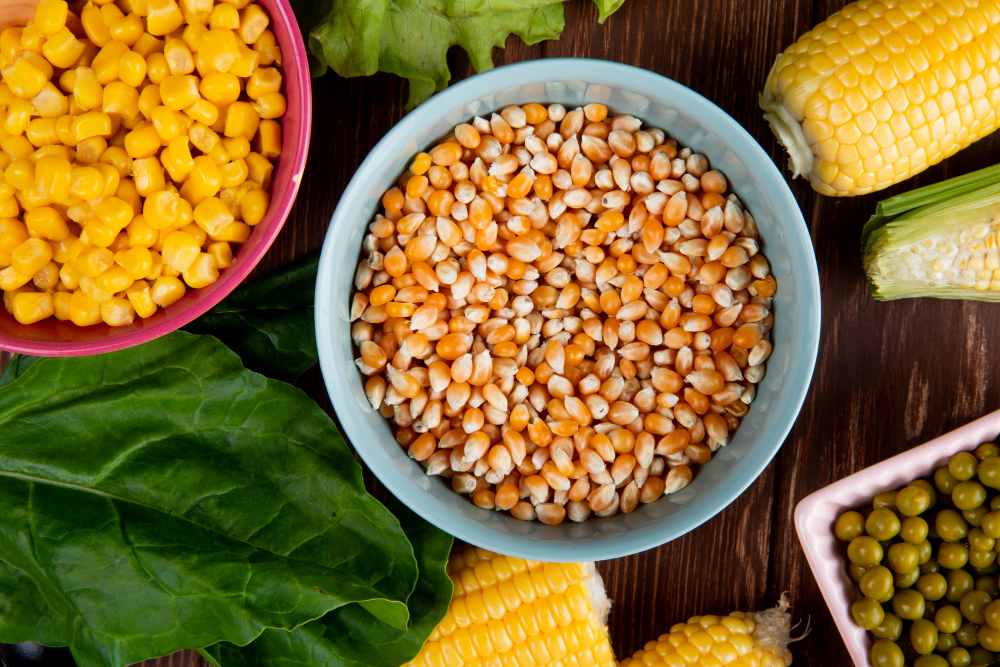
Corn, wheat, or soy byproducts can be used as energy or vegetable protein sources. They’re not inherently harmful, but they can have lower digestibility and nutritional value if they replace a substantial portion of animal protein.
Source: WSAVA Global Nutrition Committee (2021); PLOS ONE (2020).
6. Excess sodium or flavor enhancers (monosodium glutamate / MSG)
Sodium is essential in small amounts, but sustained excess can affect kidney function or blood pressure, especially in older dogs or dogs with preexisting conditions.
Source: National Research Council, Nutrient Requirements of Dogs and Cats (2006).
7. Unspecified animal flavoring (“animal digest”)
These hydrolysates improve palatability. They are safe when processed correctly, but it’s better practice to choose products that specify the animal source (e.g., “hydrolyzed chicken liver”).
Source: AVMA, Raw Pet Food Diets & Pet Population Management Policies (2023).
8. Oxidized or poorly stored fats
Fats are essential, but when they oxidize due to long or poor storage, they lose nutritional value and can produce undesirable oxidation compounds. Responsible manufacturers test for rancidity and use natural antioxidants.
Source: PLOS ONE (2020); WSAVA Toolkit (2021).
Conclusion
Safe, balanced nutrition depends on nutrients and manufacturer transparency. Choosing brands that declare ingredient sources, use natural preservatives, and maintain strong quality-control standards is one of the best ways to protect your dog’s health.
Or better yet: choose foods made with the greatest possible amount of fresh, natural ingredients — free from artificial additives.
This text is based exclusively on information from trusted international organizations (FDA, WSAVA, AVMA, NRC, AAFCO and peer-reviewed scientific publications). It does not replace individual veterinary consultation.