GET 15% OFF ON YOUR FIRST ORDER WITH CODE "KF"
|
Category |
Kitchen Fresh – Cooked |
Kibble (Extruded dry food) (1) |
|---|---|---|
|
Main ingredients |
Meat, organs, vegetables and fresh fruit, grains. |
Meat, vegetables, grains, fruit and/or rendered meals/flours, vegetable oil. |
|
Ingredient origin |
Mostly local, fresh meats and vegetables. |
Varies / worldwide. |
|
Artificial preservatives |
No |
Generally yes |
|
Nutritional supplements |
Vitamins, minerals, salmon oil, postbiotics |
Vitamins, minerals, and other additives. |
|
Processing |
Moderate-temperature cooking |
High-temperature industrial extrusion and pressure. |
|
Protein (dry matter) |
~45% |
Typically 18%–35% |
|
Nutritional formulation |
Yes (AAFCO compliant) |
Generally yes |
|
Digestibility |
High |
Variable depending on ingredient quality and protein source. |
|
Palatability |
Very high due to natural aroma and texture |
Often depends on added fats and palatants. |
|
Shelf life |
Short, requires freezing |
Long (12–24 months) at room temperature |
|
Transparency |
Simple, recognizable list. You can see and feel the main ingredients. |
Complex ingredient list with technical terms |
|
Mealtime enthusiasm |
Just wait until they try it |
Let your dog tell you |
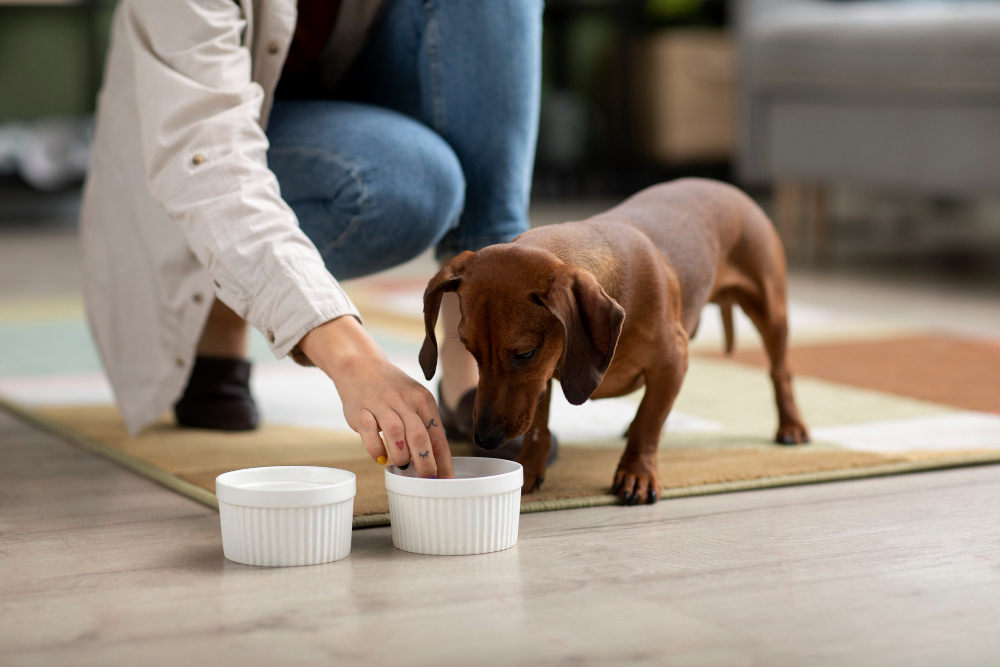
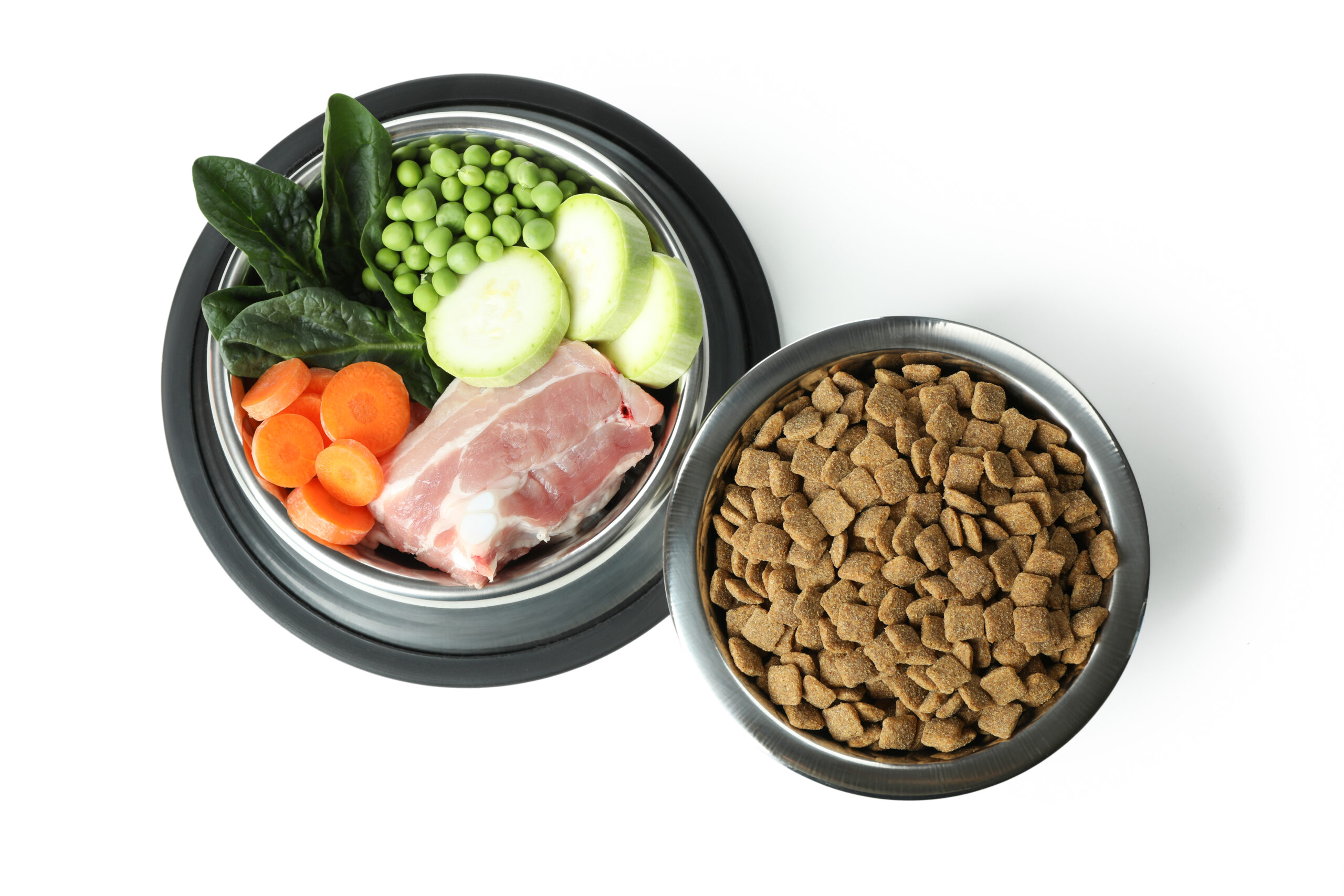
In Two Bowls
Both fresh food and kibble can be safe and nutritionally adequate. Kibble offers convenience, long shelf life, and standardization, while Kitchen Fresh prioritizes freshness and natural ingredients.
You choose what you want for your dog.
(1) Clarifying Note:
The kibble data reflects general characteristics of each category, but it can vary significantly by brand and specific formulation. Ingredient type and quality, processing intensity, and additive use can differ widely among manufacturers. It’s always recommended to review labels, certifications, and professional nutritional guidance before choosing a product.
Referencia técnica
Swanson, K.S., et al. (2020). Nutrient digestibility and fecal characteristics of dogs fed human-grade fresh food vs. extruded kibble. PLOS ONE, 15(5): e0231275. https://doi.org/10.1371/journal.pone.0231275